Quality assurance within the moving business represents a cornerstone for delivering dependable, clear, and stress-free relocation experiences. As relocations often contain important emotional and monetary investments, making certain the best standards of service quality not solely protects valuable belongings but additionally saves prospects time and vitality while minimizing the risks of damages, delays, and disputes. Implementing robust high quality assurance mechanisms within moving corporations aligns operational effectivity with superior buyer satisfaction and compliance with stringent federal and industry rules.
Understanding Quality Assurance within the Moving Industry
At its core, quality assurance (QA) in moving entails systematic processes designed to observe, evaluate, and enhance service supply requirements. Unlike easy high quality control that identifies defects post-facto, QA covers proactive strategies integrating preventive measures all through every stage of the transferring lifecycle—from preliminary planning, packing, transportation, to final delivery. This complete strategy ensures consistency in performance and fosters trust between movers and clients.
Key Objectives of Quality Assurance in Moving
Quality assurance serves a quantity of interrelated objectives tailored to the distinctive challenges of relocation services. Primarily, it aims to:
- Protect buyer possessions by ensuring correct dealing with, safe packing, and protected transportation protocols. Adhere to legal and regulatory frameworks similar to these mandated by the Federal Motor Carrier Safety Administration (FMCSA), guaranteeing compliance with licensing, insurance, and legal responsibility requirements. Enhance operational efficiency by reducing errors, rework, and delays via standardized procedures. Improve customer communication and repair transparency stopping misunderstandings, unexpected prices, and complaints. Provide measurable performance metrics that foster continuous enchancment and accountability.
Common Challenges Addressed by Quality Assurance
Relocation usually includes unpredictable variables that jeopardize service quality, corresponding to logistical complexities, fragile and ponderous gadgets, or last-minute modifications. Quality assurance tackles the next issues:
- Damage and lack of belongings: by implementing meticulous packing requirements and secure loading methods. Delayed or misrouted shipments: through superior tracking techniques and precise routing protocols. Customer dissatisfaction stemming from miscommunication: by standardizing interactions, providing clear estimates, and setting realistic expectations. Regulatory non-compliance: which can result in fines or reputational damages, averted by way of routine audits and worker coaching.
The Pillars of Effective Quality Assurance in Moving Operations
Transitioning from the conceptual overview, it’s imperative to dive into the foundational elements that constitute an effective quality assurance system particularly adapted to transferring services.
Standard Operating Procedures (SOPs)
Standard Operating Procedures form the backbone of high quality assurance. Customized SOPs define detailed steps for packing fragile items, disassembling furnishings, vehicle loading, and unloading strategies. Rigorous adherence ensures uniformity across crews and helps forestall costly errors. SOPs contribute to a stress-free move by embedding greatest practices into everyday workflows, thereby lowering property damage and operational delays.

Employee Training and Certification
Consistent and ongoing training applications equip movers with data about security protocols, tools dealing with, and customer service expertise. Certifications from recognized bodies, similar to these affiliated with the American Moving & Storage Association (AMSA), validate professional competence, instilling confidence in customers while elevating employees accountability.
Inspection and Auditing Processes
Routine inspections and internal audits establish compliance gaps and operational inefficiencies before they escalate. These checks cowl automobile maintenance, packing materials high quality, worker adherence to procedures, and documentation accuracy. Early detection of such issues protects shifting companies from liability and ensures reliability for purchasers counting on well timed and protected relocations.
Customer Feedback Integration
Incorporating systematic assortment and evaluation of buyer feedback supplies priceless insights into performance from the end-user perspective. Quality assurance frameworks use surveys, follow-up calls, and on-line reviews to establish ache factors and inform steady service improvements. This customer-centric focus directly addresses frequent anxieties related to transferring and fosters lasting relationships built on trust.
Technological Innovations Enhancing Quality Assurance
Modern relocation demands are more and more met via technology-driven enhancements that increase QA effectiveness and operational transparency.
Real-Time Shipment Tracking
Implementing GPS-enabled tracking techniques equips both movers and clients with instant visibility into shipment location and standing all through transit. This reduces uncertainty, accelerates concern decision when exceptions arise, and helps precise supply home mudança santo andré mudança windows, thus making relocations extra predictable and less tense.
Automated Documentation and Compliance Tools
Digital administration platforms automate invoice of lading creation, stock checklists, and regulatory filings. These methods cut back human errors, ensure regulatory compliance, and facilitate swift entry to important data during operations and in post-move dispute resolutions. Automation improves accuracy and operational pace, allowing companies to focus on service quality.
Quality Data Analytics and Reporting
Advanced analytics consider KPIs similar to on-time delivery rates, damage incidents, customer satisfaction scores, and employee performance. Data-driven insights enable quality managers to establish trends, prioritize corrective actions, and benchmark progress, thereby elevating the entire shifting mudança ferraz de vasconcelos operation to a persistently larger standard.
How Quality Assurance Benefits Customers and Moving Companies
Having explored parts and technologies, it’s critical to appreciate how rigorous high quality assurance translates into tangible advantages, transforming the relocation experience.
For Customers: Reduced Stress and Increased Confidence
Relocation typically ranks among life’s most tense occasions because of unpredictability and threat to possessions. Quality assurance mitigates these considerations by ensuring transparent communication, dependable scheduling, and cautious handling. Customers gain peace of mind figuring out that movers adhere to standardized procedures and that their belongings are protected by professional protocols and insurance coverage coverage.
For Moving Companies: Enhanced Reputation and Operational Excellence
Companies dedicated to quality assurance differentiate themselves in a aggressive market by way of dependable service, fewer customer complaints, and improved effectivity. The return on investment appears in value financial savings from damage reduction, larger repeat business, and optimistic on-line reviews. Consistent high quality additionally positions firms for advantageous partnerships and compliance with evolving business standards.
Implementing a Quality Assurance Program in Your Moving Business
Embracing high quality assurance requires a structured method adapted to firm measurement, service scope, and buyer expectations. The following important steps guide implementation:
Assessment and Benchmarking
Begin by evaluating current procedures, buyer suggestions, and performance metrics. Compare these against business benchmarks to determine improvement areas and set up related high quality goals aligned with each operational capability and regulatory necessities.
Developing Policies and Training
Create or replace SOPs reflecting finest practices and regulatory steering. Deploy comprehensive training schedules that emphasize security, customer service, and compliance. Engage staff through workshops, sensible classes, and ongoing refreshers to maintain competence.
Monitoring, Auditing, and Continuous Improvement
Implement regular inspections and audits to verify adherence. Use collected knowledge and customer input to refine processes continuously. Foster a tradition the place suggestions is valued and high quality is an ongoing dedication somewhat than a one-time effort.
Technology Integration
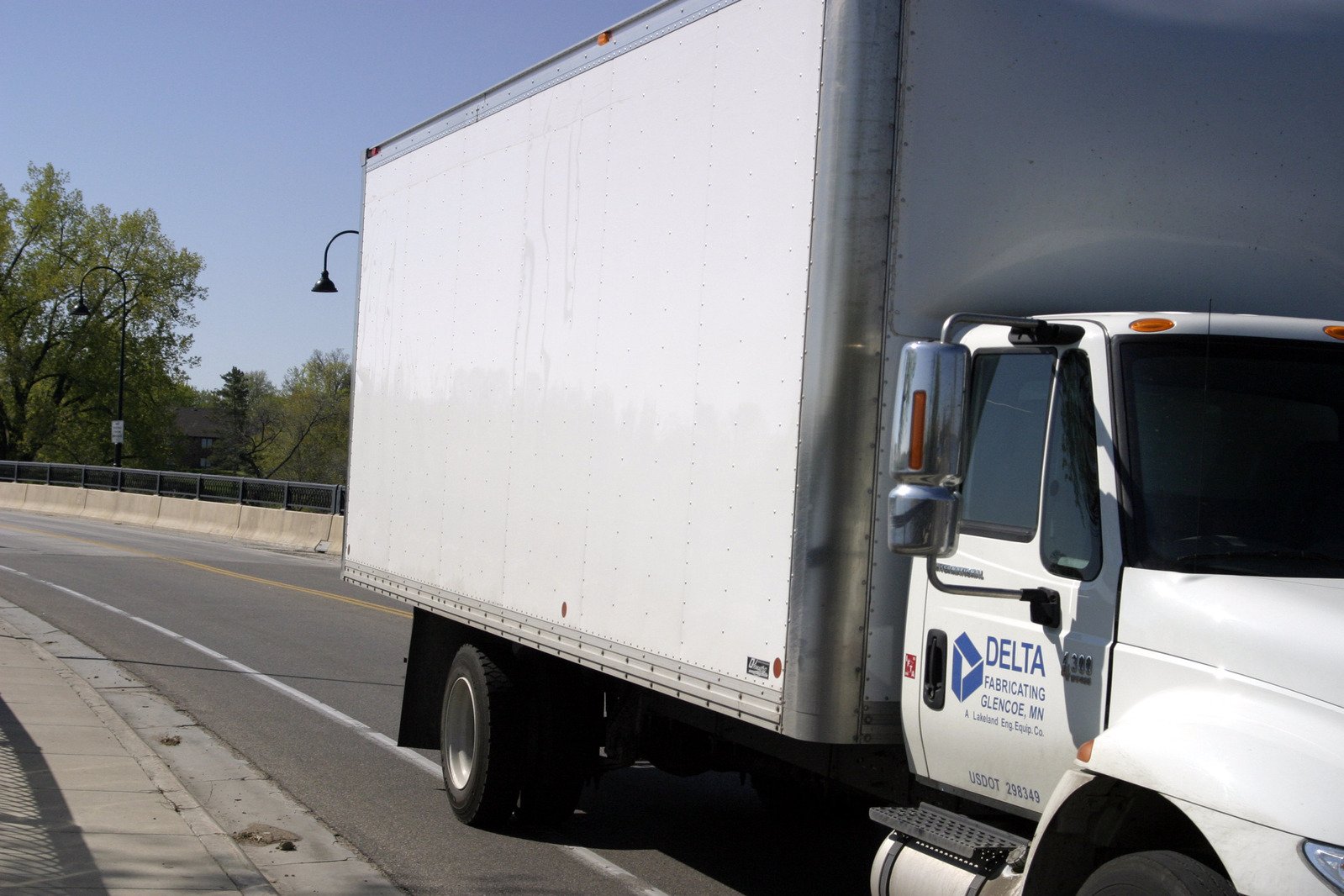
Deploy tools such as fleet monitoring, digital inventories, and buyer portals that facilitate transparency and information accuracy. Leverage know-how to streamline workflows and assist high quality management successfully.
Summary and Practical Next Steps
Quality assurance in the transferring industry is vital for delivering reliable, damage-free, and timely relocations that considerably scale back buyer stress and build lasting trust. Through comprehensive SOPs, employee training, rigorous inspections, and leveraging technology, moving firms can elevate service standards while making certain regulatory compliance. Benefits for each clients and companies include protection of valuable possessions, operational efficiencies, and enhanced reputations supported by measurable metrics.
To take the next pragmatic steps: review and doc your present moving procedures, establish or refine quality goals, spend cash on focused worker training applications, undertake digital quality management tools, and persistently collect and act upon customer suggestions. Embedding these elements into your operations creates a resilient framework for quality assurance that will not only shield clients’ belongings but additionally drive business development and buyer satisfaction in a fiercely aggressive market.